Brain2Frame (FYP 1)
Turning Neural Signals into Visual Frames with Generative AI
“The gap between thought and image has always felt like science fiction. Brain2Frame is my attempt to begin bridging it.”
The Vision
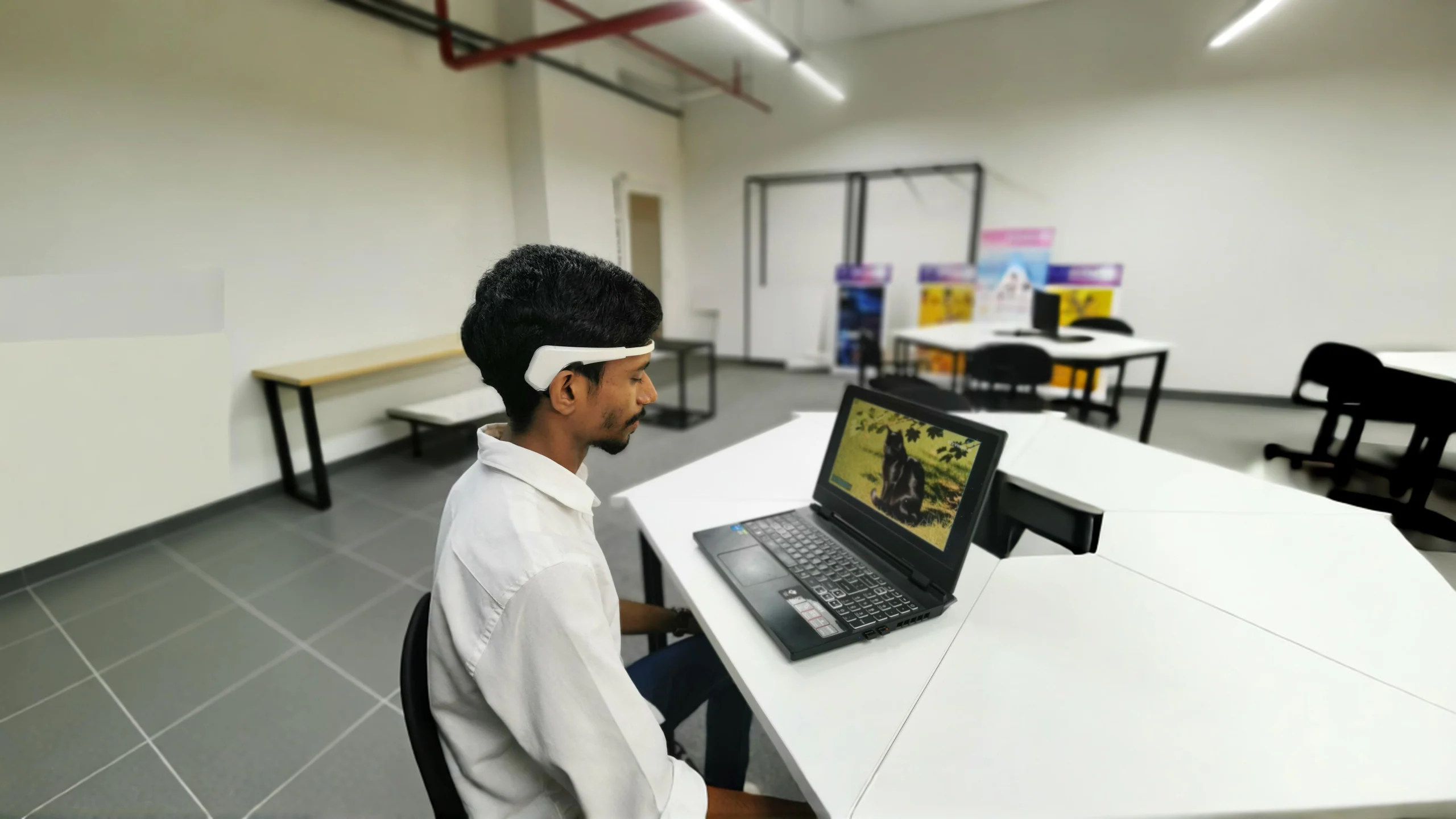
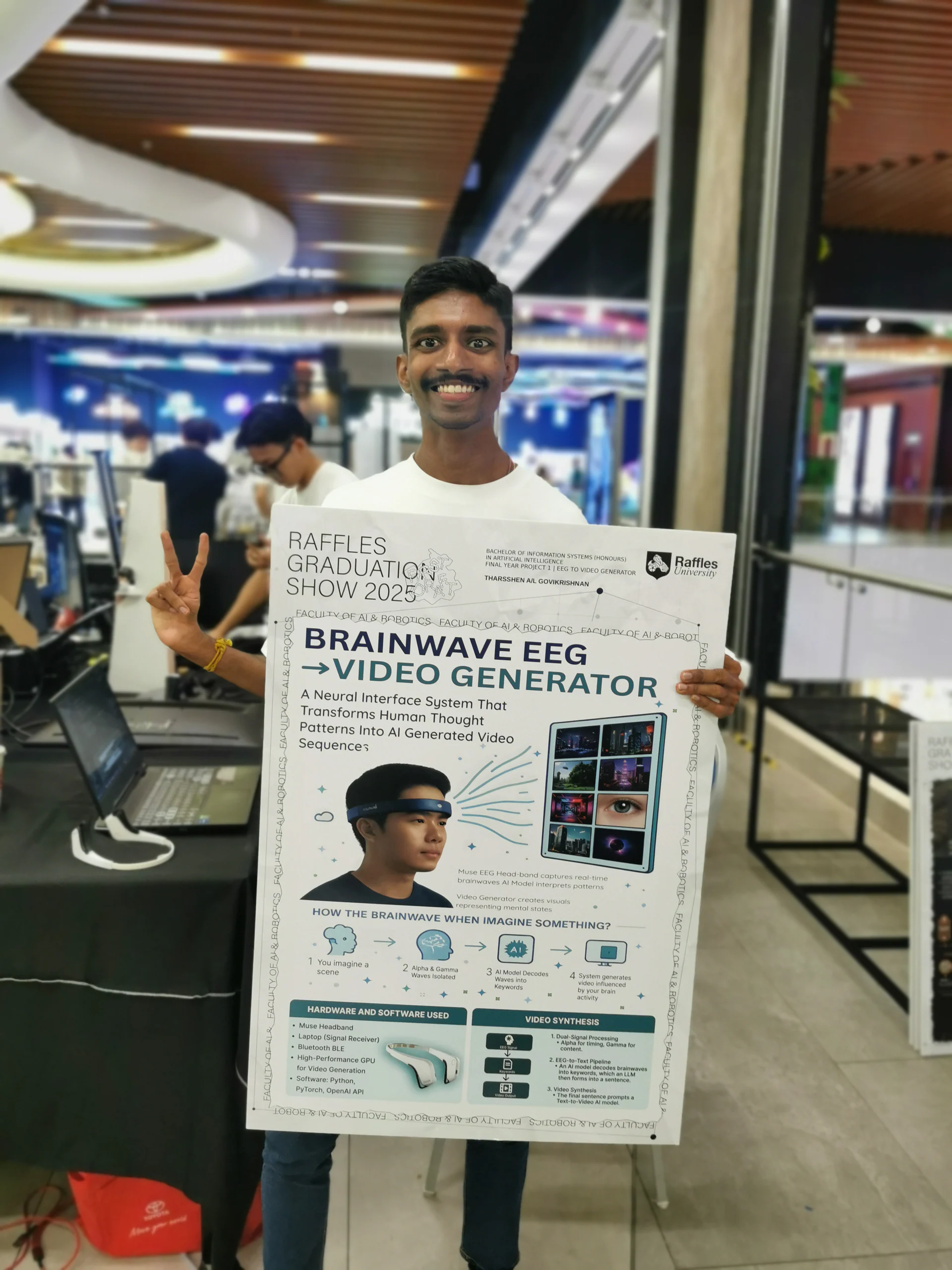
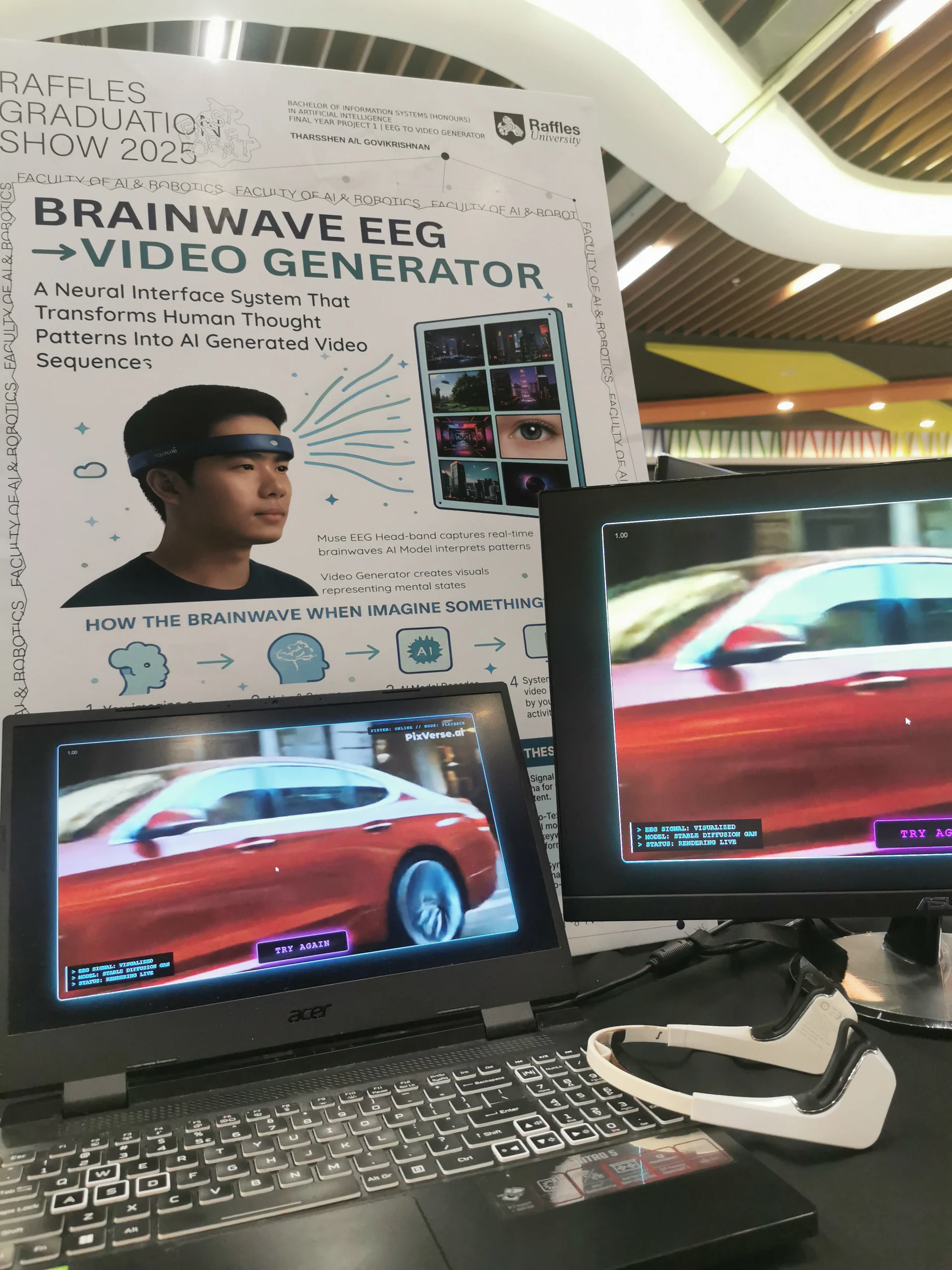
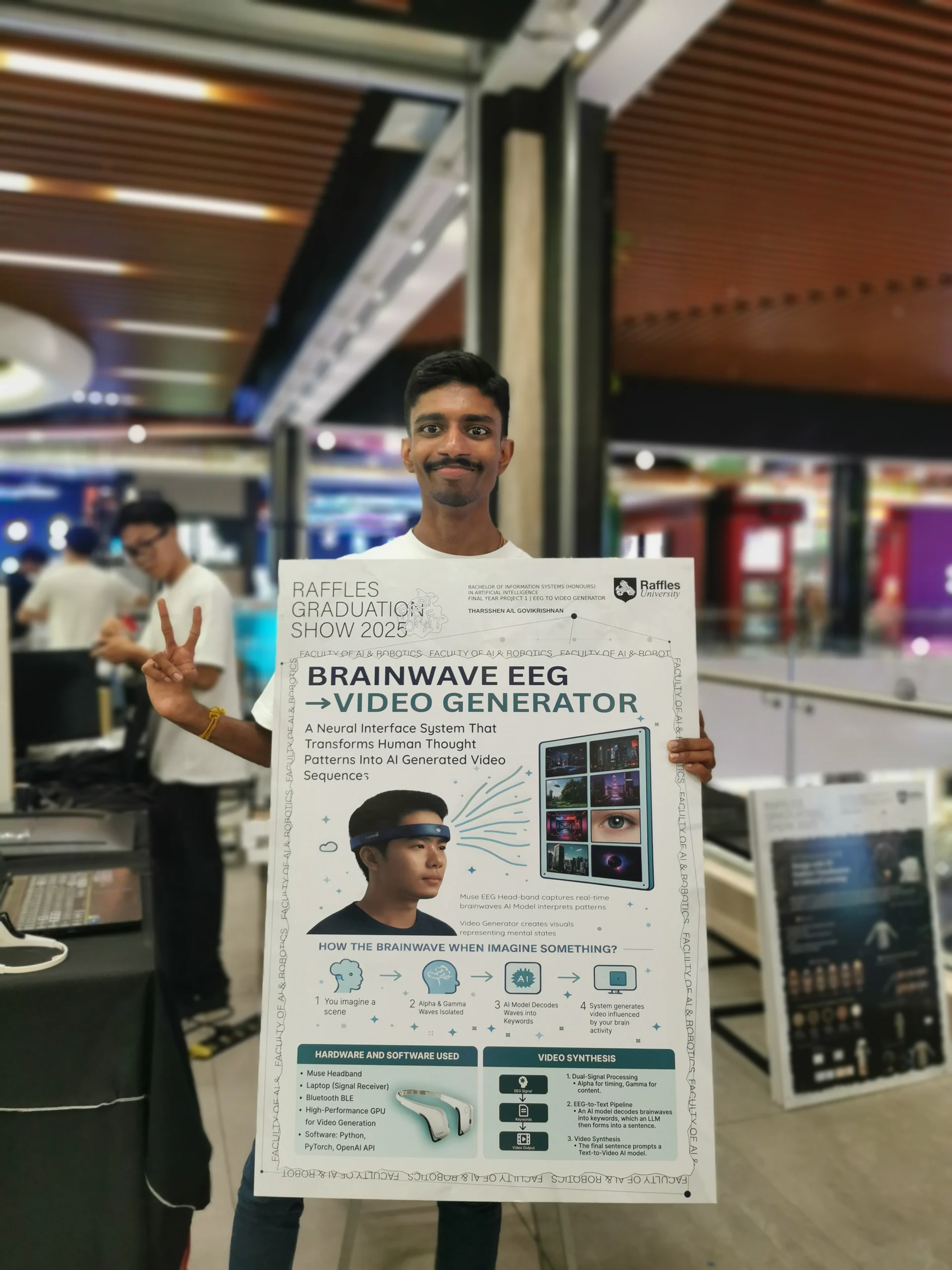
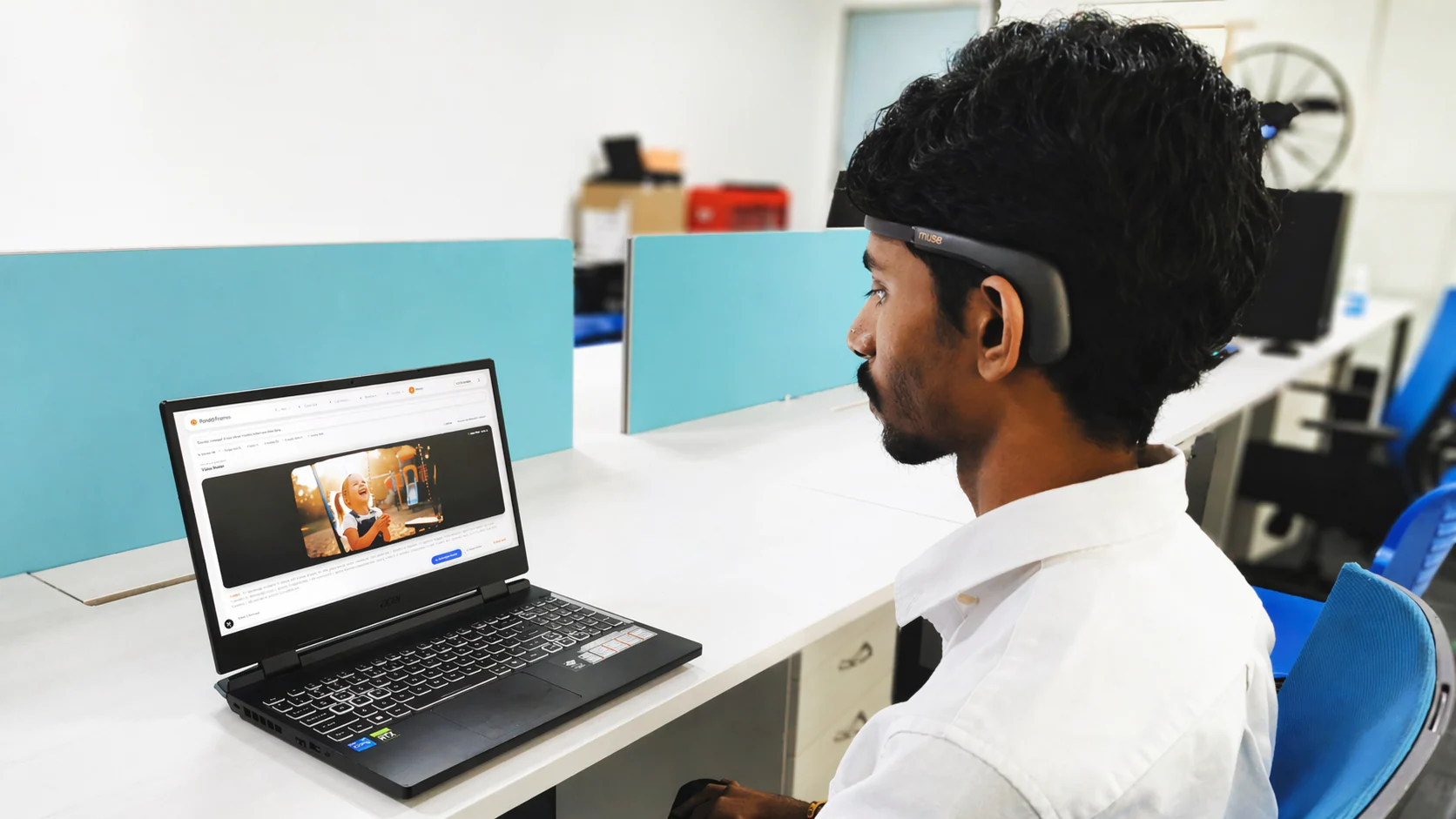
Brain2Frame was my Final Year Project at Raffles University: an end-to-end pipeline that captures raw EEG brainwave data from a Muse 2 headset and transforms it into generated visual frames using deep neural networks. The idea was deceptively simple: what if we could make the invisible activity of a human brain visible in real time?
Why EEG?
EEG (Electroencephalography) is one of the most accessible forms of brain-computer interfacing available today. Consumer headsets like the Muse 2 make it possible to collect neural data outside of a clinical setting. While the signal quality is far from medical-grade, it contains enough information in the form of frequency bands like theta, alpha, and beta waves to distinguish different cognitive states. That distinction is the foundation Brain2Frame is built on.
The Pipeline
Raw EEG data is inherently noisy. The first stage of the pipeline is preprocessing: bandpass filtering to isolate relevant frequency bands, artifact rejection to remove eye-blink and muscle noise, and epoch segmentation to slice continuous signals into windows. These clean segments are then transformed into feature vectors, spectral power distributions across channels, which serve as the input to the generative model. The model maps these neural features into a learned latent space, which is then decoded into an image frame. The result is a visual representation of the cognitive state captured at that moment in time.
Challenges and Lessons
The biggest challenge was the signal-to-noise ratio. Consumer EEG is not a clean signal: movement, environmental interference, and the limitations of dry electrodes all degrade data quality. Significant effort went into making the preprocessing robust enough to produce stable inputs regardless of recording conditions. On the generative side, learning a meaningful mapping between abstract neural features and visual content required careful architectural decisions and a custom training approach. Brain2Frame pushed me to work across two very different domains simultaneously: neuroscience-adjacent signal processing and deep generative modelling.
Project Gallery
8 items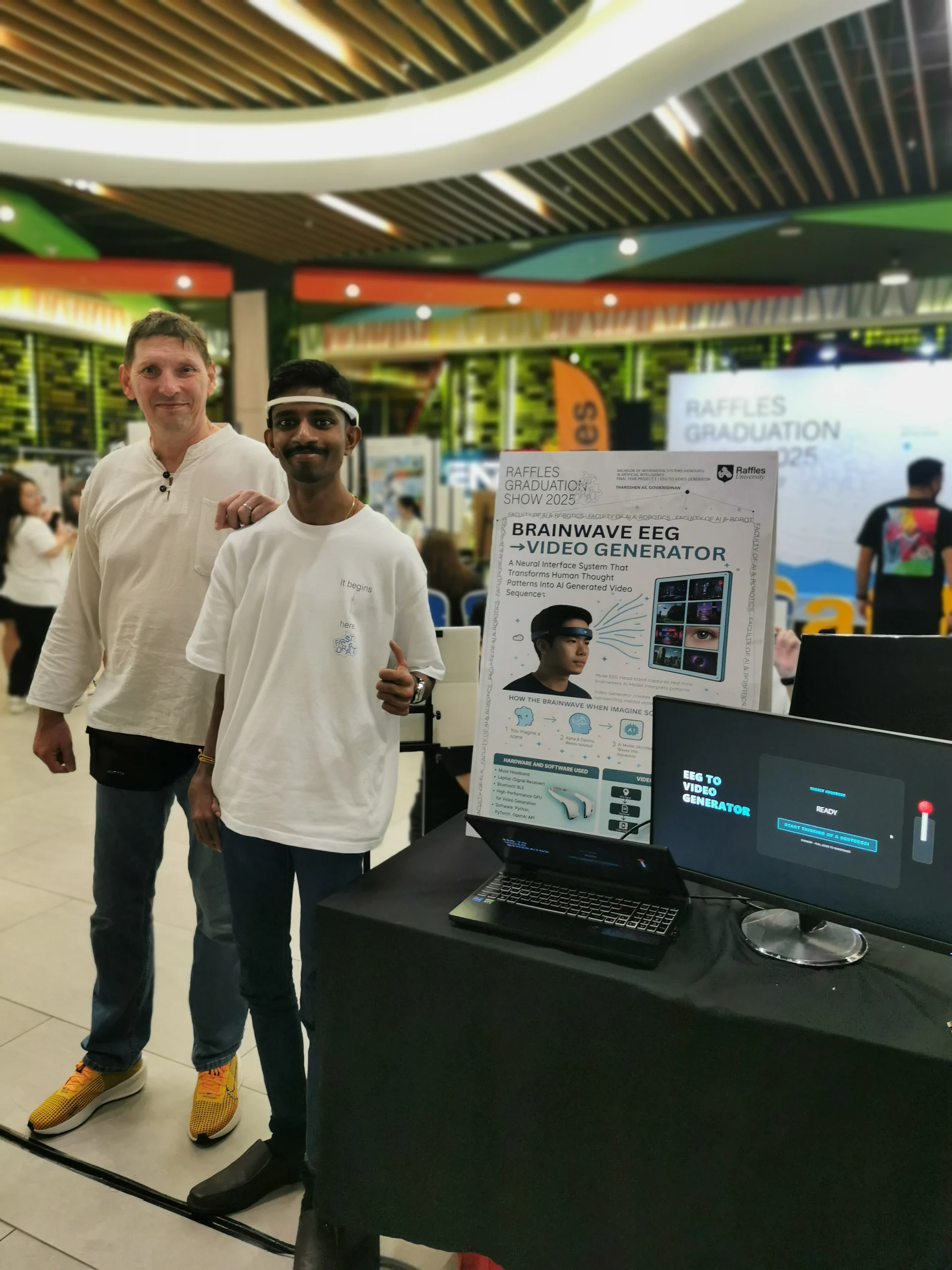
Explore More Projects
Swipe or click arrows to see other work
 View projectanalyzing project #01
 View projectanalyzing project #03
 View projectanalyzing project #04
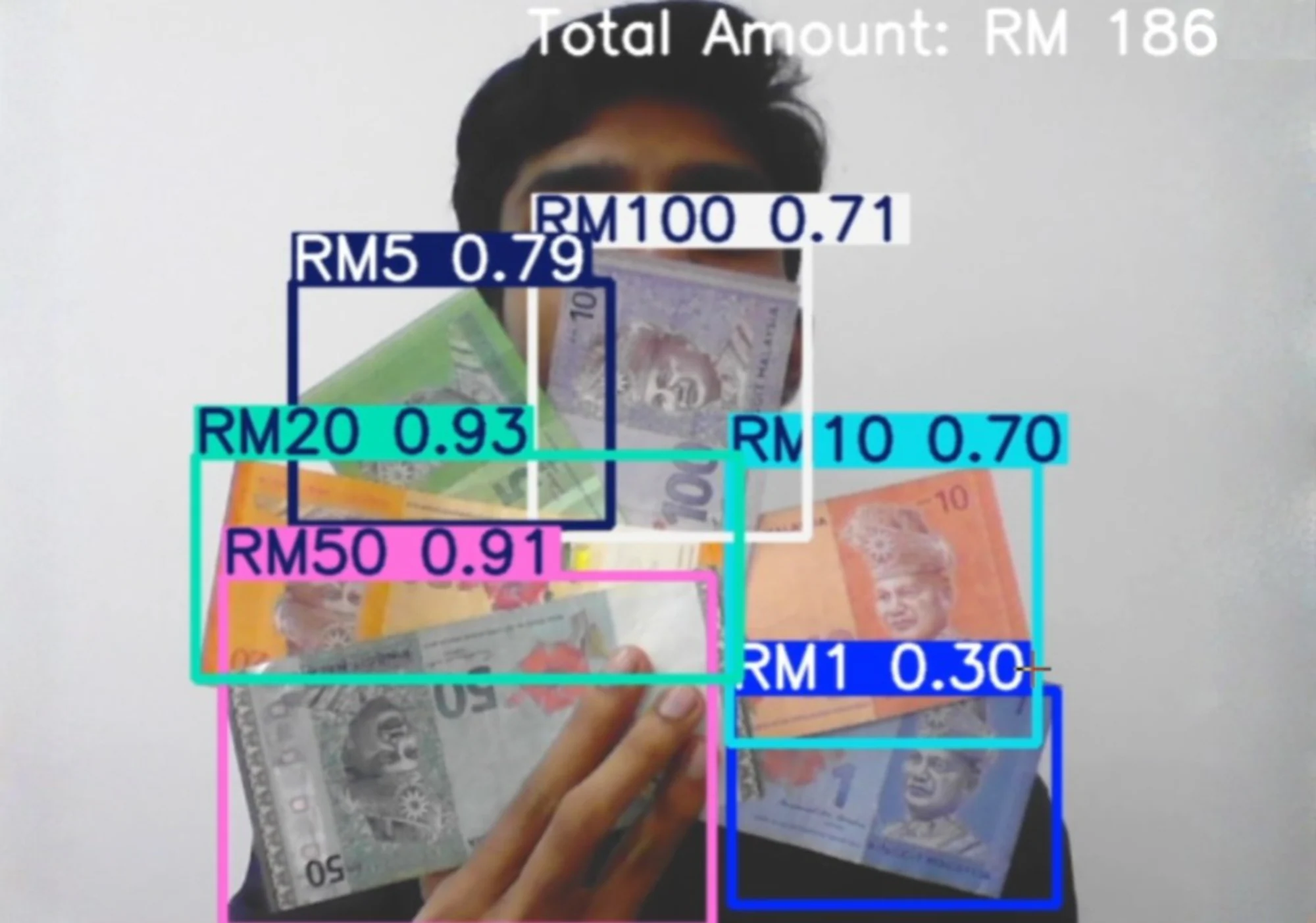 View projectanalyzing project #05
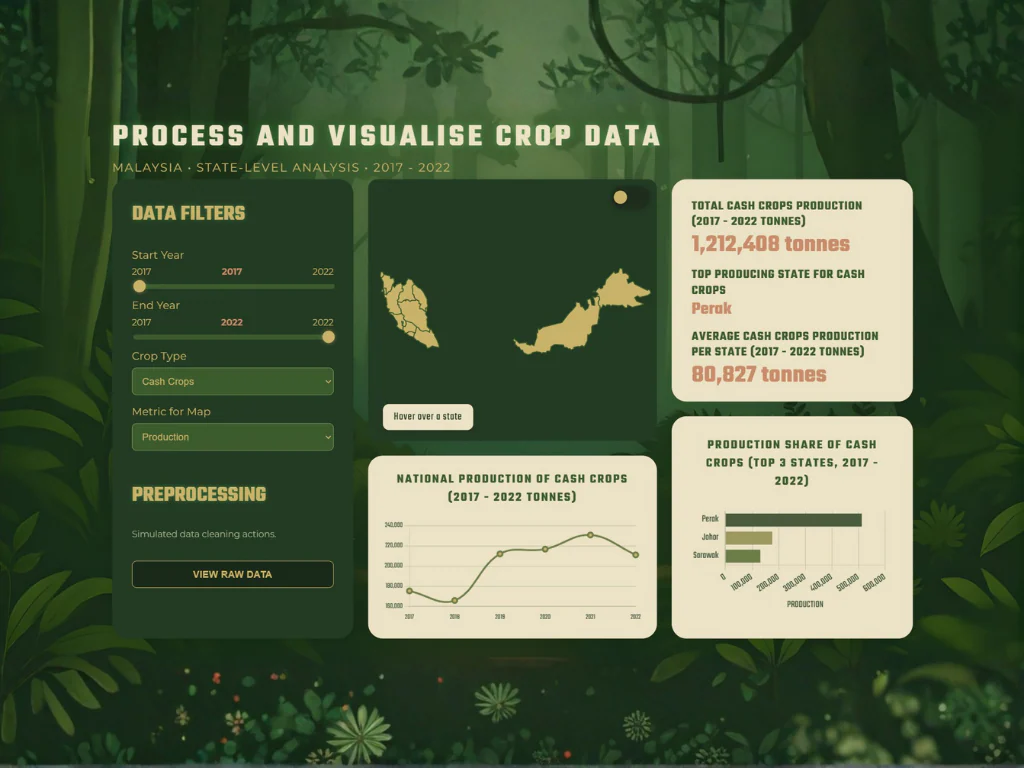 View projectanalyzing project #06
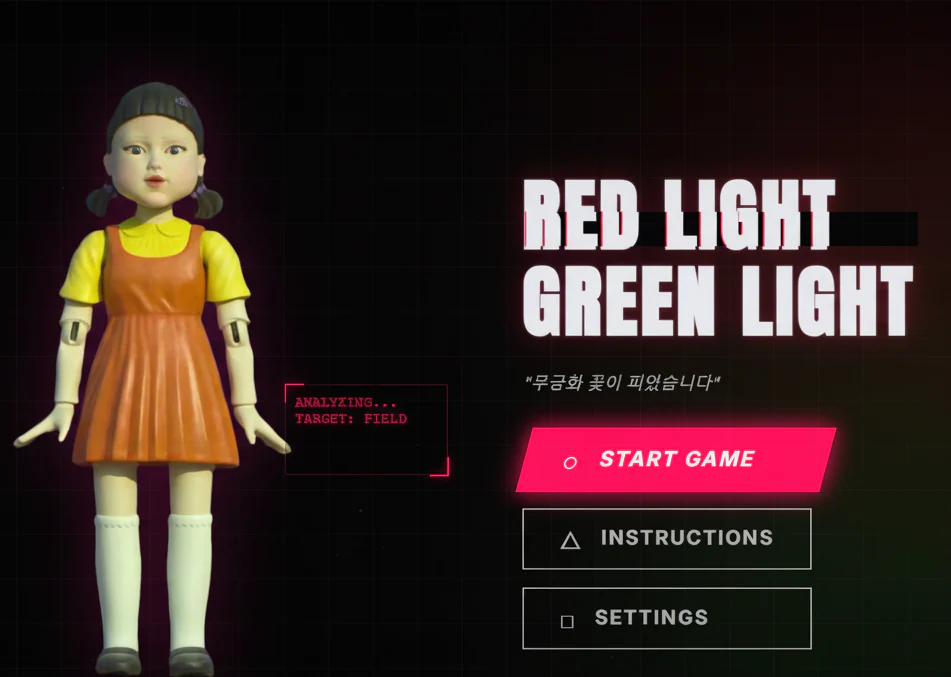 View projectanalyzing project #07
 View projectanalyzing project #08
 View projectanalyzing project #09
 View projectanalyzing project #10
 View projectanalyzing project #11
 View projectanalyzing project #12
 View projectanalyzing project #13
 View projectanalyzing project #14
 View projectanalyzing project #15
 View projectanalyzing project #16
 View projectanalyzing project #17
 View projectanalyzing project #18